Hollow Knight: Silksong Review
Team Cherry's long-awaited sequel turns Hornet loose on the haunted kingdom of Pharloom with faster combat, gorgeous art and a difficulty curve that will thrill some players and exhaust others.
Few games have ever carried the weight of expectation that Hollow Knight: Silksong did. Born as a Kickstarter stretch goal to make Hornet playable in the original, it outgrew its DLC plans, was announced as a standalone sequel in February 2019 and then went quiet for the better part of six years. When it finally launched on 4 September 2025, it arrived everywhere at once for $19.99, and the rush to buy it knocked over Steam, the Nintendo eShop, the Microsoft Store and the PlayStation Store. The good news is that Team Cherry's second game is every bit as ambitious as the wait implied. The complicated news is that it is also far harsher than its predecessor.
A pilgrimage to the Citadel
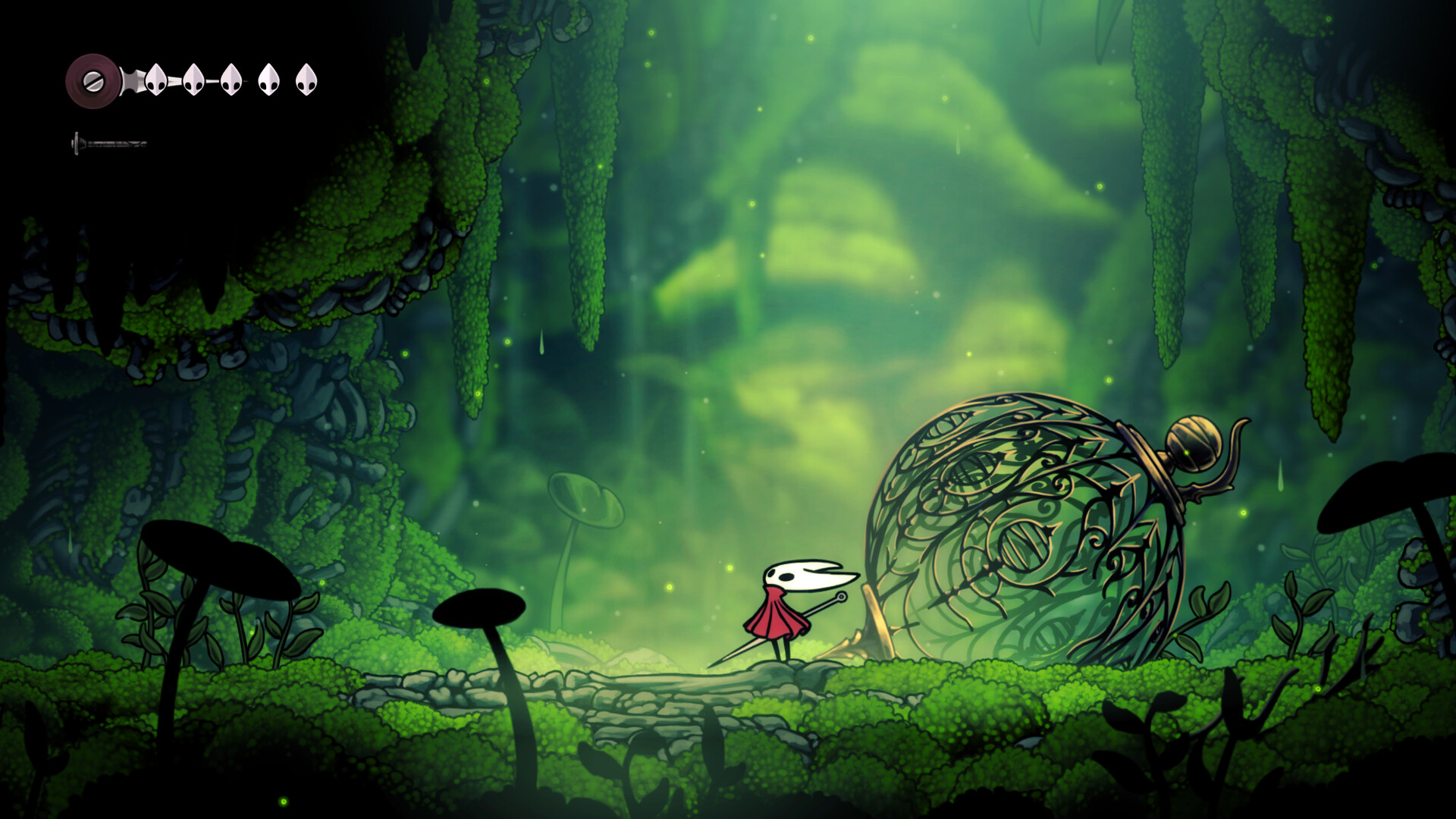
Hornet, the needle-wielding princess-protector of Hallownest, is captured and carried off to Pharloom, a ruined religious kingdom gripped by a madness called the Haunting that reanimates dead bugs through silk. Escaping her captors, she sets out for the Citadel at the kingdom's summit to learn why she was taken, and the whole map is built around that upward climb, from mossy grottos and misted moors to gilded cities.
The biggest change from Hollow Knight is that its hero talks. Hornet is curt, dry and faintly impatient with everyone she meets, and that personality gives the story a sharper edge than the Knight's silent wandering ever had. Side-quests, called Wishes, are pinned to quest boards or handed out by the locals, and the best of them are small, funny, sad character sketches that deepen the world. Pharloom still tells most of its story through places rather than cutscenes, and the plot builds towards an optional final act that rewards anyone who digs deep enough.
Faster, sharper, deadlier
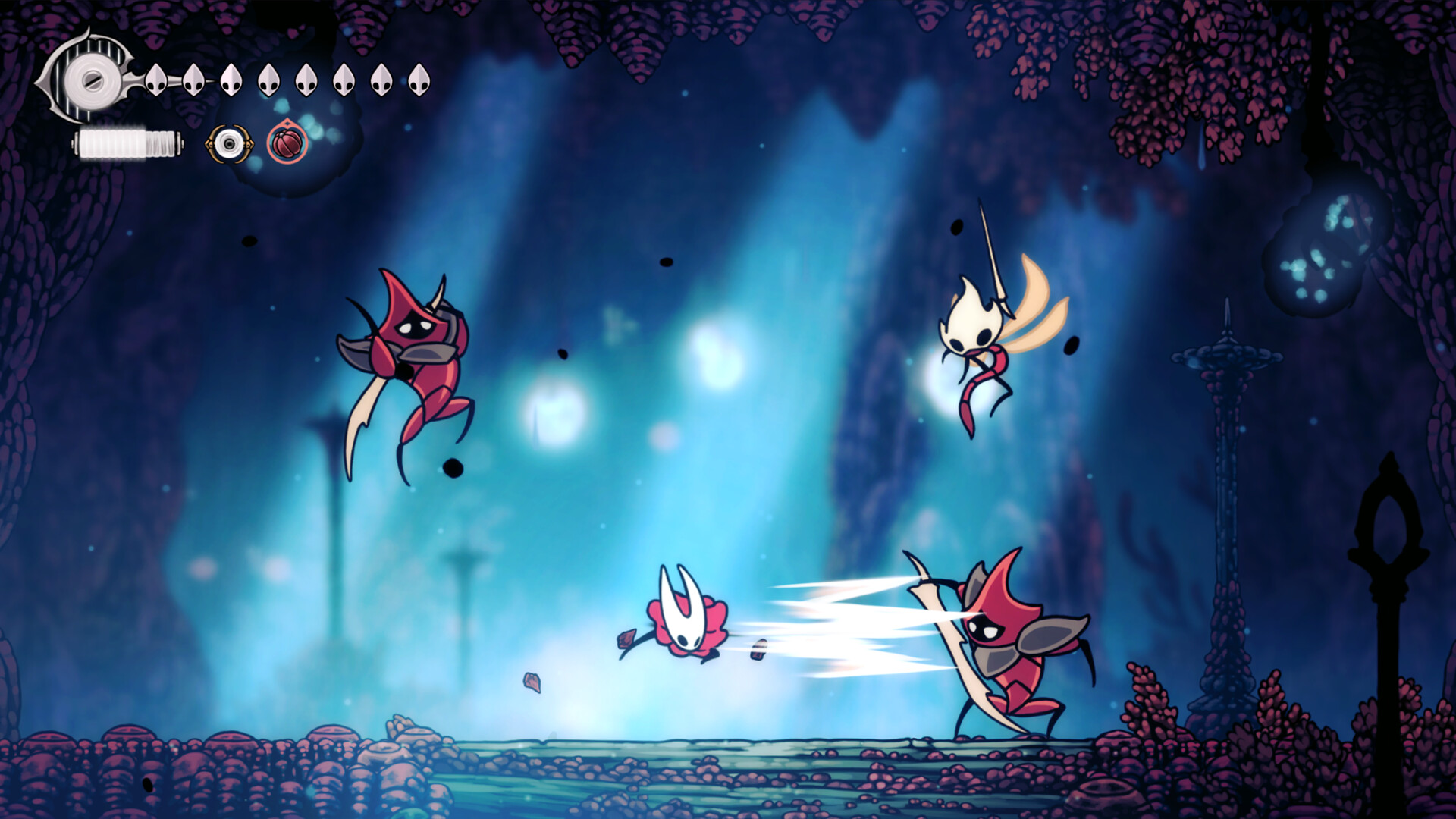
Hornet moves nothing like the Knight. She is quicker, more acrobatic and far more vertical, and the traversal kit she earns along the way, including the grappling Clawline, the updraft-riding Drifter's Cloak, wall-climbing Cling Grip and the rocketing Silk Soar, makes simply getting around a pleasure. Striking enemies fills a Silk reservoir, and a single bind restores three masks of health at once, which is both faster and stronger than healing in the first game.
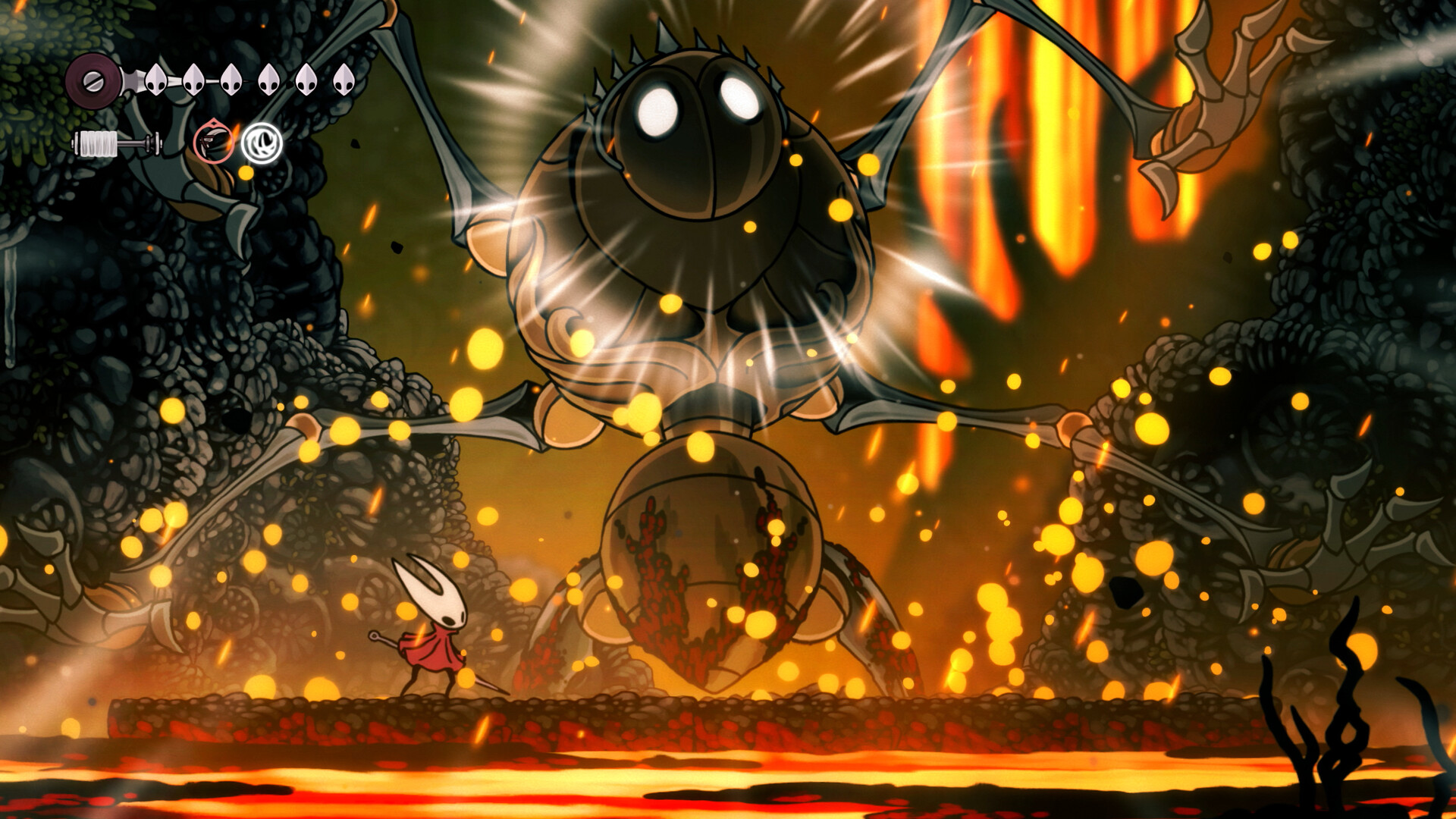
Builds come from Crests and Tools rather than charms. Each Crest changes the speed and reach of Hornet's attacks, how many Tools of each colour she can equip, and adds a unique twist of its own. Red Tools are throwable weapons and traps with limited charges that you restock with Shell Shards at benches; blue and yellow Tools are passive support. Layer in unlockable Silk Skills and the result is a combat system with genuine range, spread across more than 200 enemy types and over 40 bosses, many of them the best fights Team Cherry has designed.
Where the difficulty bites
Here is the catch. Many ordinary enemies deal two masks of damage, two-fifths of Hornet's starting health, and the design deliberately snaps you between full health and near death. Team Cherry has explained that it left out difficulty sliders on purpose, preferring that players find ways around a wall through exploration, better Tools or a different route. That philosophy works more often than it fails, and beating a boss that flattened you a dozen times feels superb.
But some of the friction is simply tiring. Long runbacks to certain bosses, scarce currency and a diagonal downward pogo that is awkward to use in tight platforming sections all wear on your patience, and the harder Pharloom pushes, the less it feels like a place you want to linger. The Wishes are uneven too: for every memorable errand there is a fetch quest that feels like filler. None of this sinks the game, but it does narrow its audience compared with the original.
Art, music and a launch on every platform
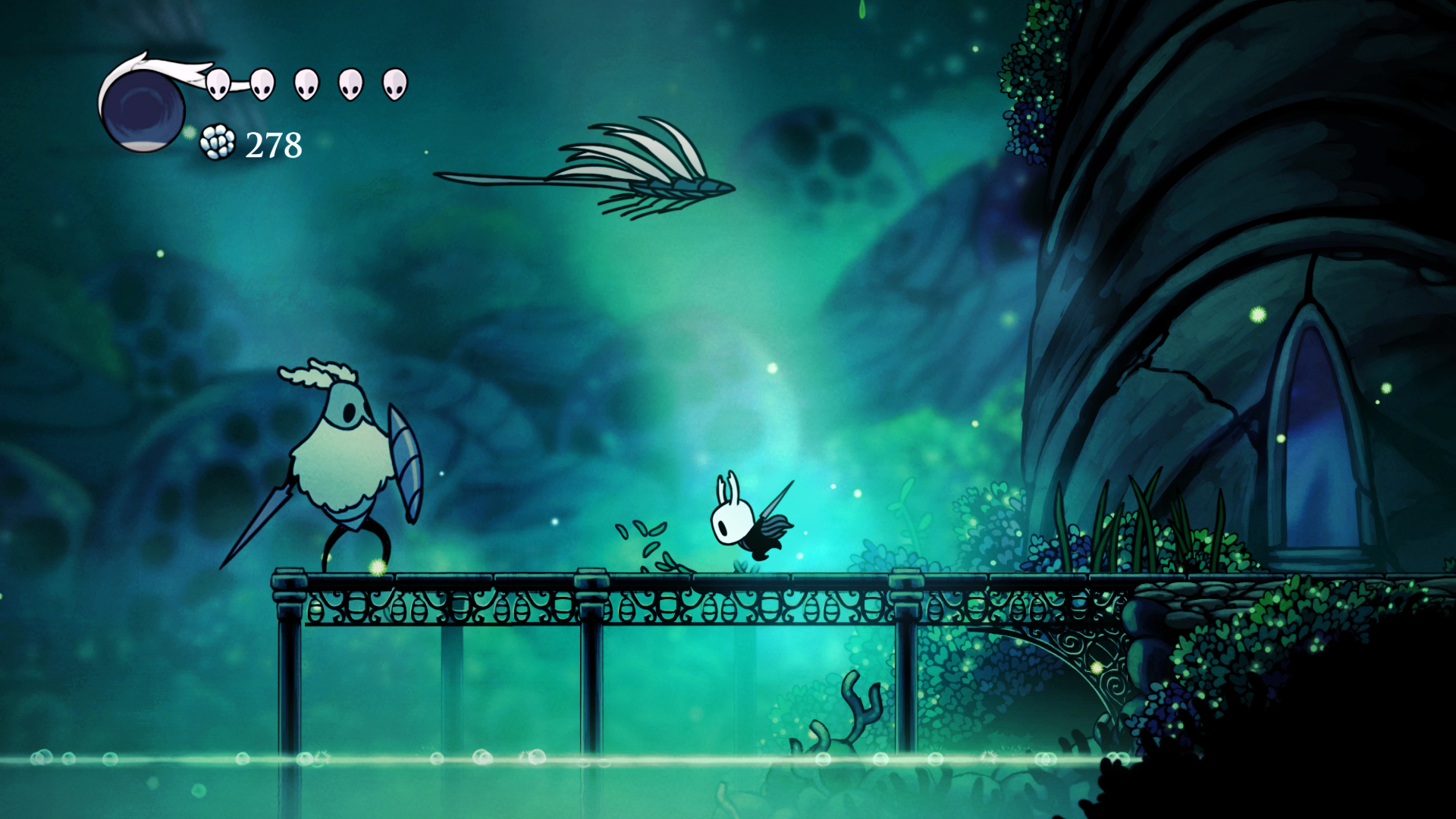
Visually, Silksong is a triumph. Co-director Ari Gibson provided most of the art, and the layered, hand-drawn backgrounds give Pharloom a real sense of depth and scale, while the animation lends Hornet's flourishes a bouncy, fencing-like snap. Christopher Larkin returns as composer, and his score swings from melancholy strings to thunderous boss themes without ever losing its haunted character.
It all runs on Windows, macOS, Linux, PlayStation 4 and 5, Xbox One, Xbox Series X|S, Nintendo Switch and Switch 2, where Team Cherry added high frame-rate modes, higher resolutions and extra graphical effects. It also launched day one on Xbox Game Pass. At its price, the value is extraordinary, as the studio made clear just before launch:
Four days until release! Hollow Knight: Silksong will be available on 4th September. Release times: 7AM PT | 10AM ET | 4PM CEST | 11PM JST Game price: USD $19.99 | EUR €19.99 | JPY ¥2300
— Team Cherry (@TeamCherryGames) September 1, 2025
By December, Team Cherry reported more than seven million purchases, with millions more playing through Game Pass.
A year of patches, and a sea on the horizon
The three-person studio has been quicker to respond than its long silences suggested. Patch 1, eight days after launch, slightly eased the early bosses Moorwing and Sister Splinter and reduced damage from Sandcarvers. Later updates added dithering and film grain options, DualSense Edge support and, in November, a switch to Unity's Input System for much broader controller support. After heavy criticism of the Simplified Chinese script, Patch 4 adopted the fan translation by Team Cart Fix. Patch 5 followed in March 2026 on PC with a new Traditional Chinese localisation, a substantially revised German script, boss fixes and a new bench beside Pale Lake.
Team Cherry billed that patch as the last significant update before Sea of Sorrow, a nautically themed expansion announced in December 2025 with new areas, bosses and tools, due in 2026 and free for every player. It still has no release date. Until Team Cherry breaks its silence, this rundown on confirmed Sea of Sorrow details is a sensible way to separate studio statements from fan speculation, which tends to move faster than facts.
Who it's for
If you finished Hallownest and wanted more, Silksong is essential, and our Hollow Knight review explains why that foundation still matters. Players who bounced off the first game's challenge should think carefully: there is no easy mode, and the sequel asks more of your reflexes and patience from the opening hours. Once you have seen the credits, Steel Soul mode is waiting for anyone who wants an even stiffer test.
Official resources
- Hollow Knight: Silksong official website
- Team Cherry news: Silksong Patch 5
- Hollow Knight: Silksong on Steam
- Hollow Knight: Silksong on the PlayStation Store
- Hollow Knight: Silksong on the Nintendo eShop
- Hollow Knight: Silksong on Wikipedia
The verdict
Silksong is bigger, faster and more beautiful than the game that made Team Cherry's name, with a heroine who finally talks back and some of the finest boss fights in the genre. Its punishing runbacks and stingy early economy will turn some players away, but for anyone willing to meet it on its terms, it is a worthy sequel to one of the best indies ever made.
What we loved
- Hornet's fast, acrobatic movement and deep Crest and Tool builds
- Superb boss fights across a huge, beautifully drawn kingdom
- Christopher Larkin's haunting score
- Exceptional value at $19.99, with a free expansion on the way
What held it back
- Two-mask enemy damage and long boss runbacks can be exhausting
- Scarce currency and an awkward diagonal pogo add friction
- Side-quests vary from memorable to filler